The Ultimate Guide to USB-C: Everything You Need to Know
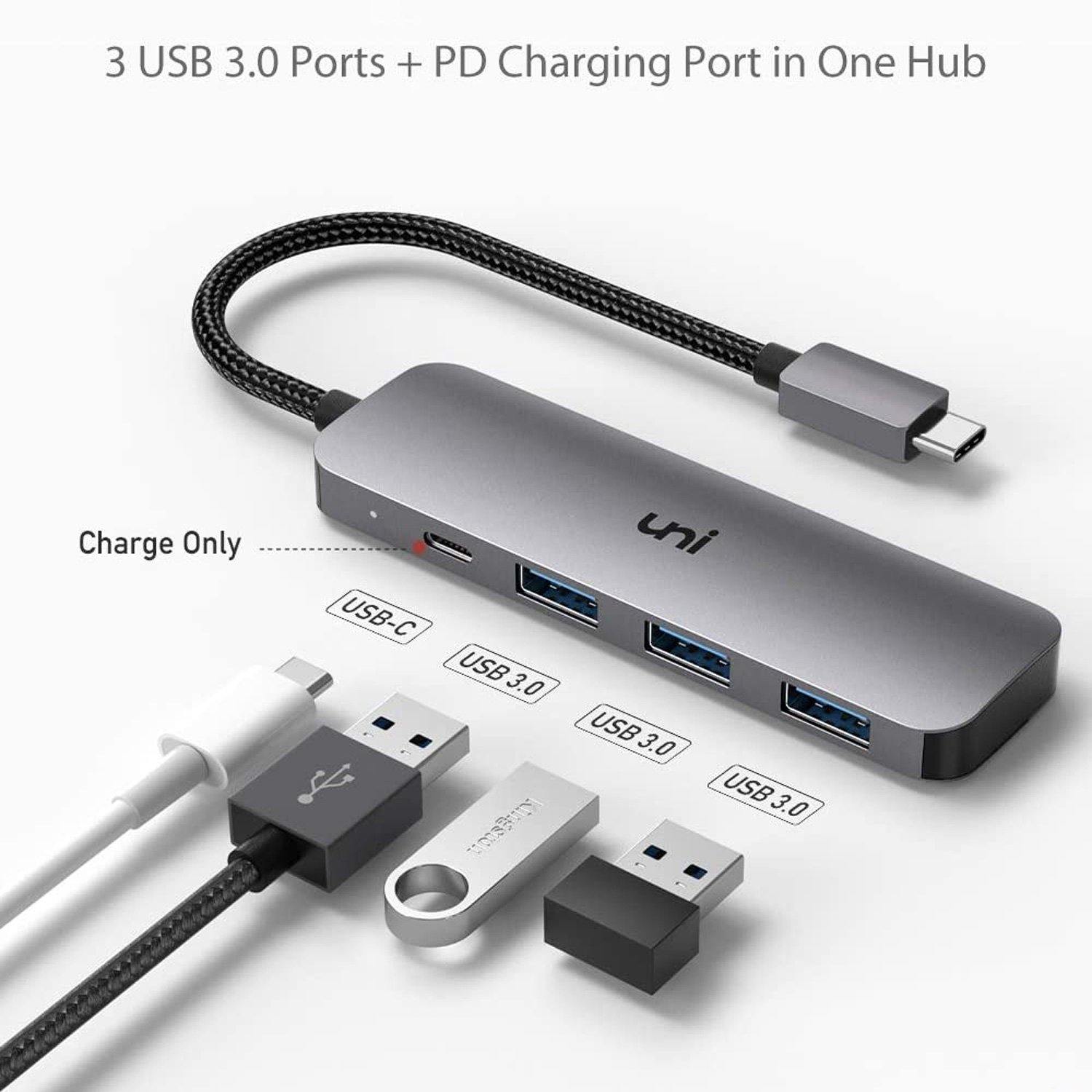
USB-C is rapidly becoming the universal standard for data transfer and charging across a multitude of devices, including smartphones, laptops, tablets, and more. With its reversible design, the USB-C connector simplifies connections by eliminating the hassle of trying to plug it in the correct way. This guide will explore everything you need to know about USB-C, from its specifications to its various applications. Key advantages include faster transfer speeds, improved power delivery, and increased versatility. As devices increasingly adopt this standard, staying informed on USB-C is essential for both consumers and tech enthusiasts alike.
To fully harness the benefits of USB-C, it's important to understand its specifications and capabilities. Here are some key features:
- Data Transfer Speed: USB-C supports various protocols, with speeds ranging from USB 2.0 (up to 480 Mbps) to USB 3.2 (up to 20 Gbps) and even Thunderbolt 3 (up to 40 Gbps).
- Power Delivery: USB-C can deliver up to 100 watts of power, making it ideal for charging laptops and other high-power devices.
- Versatility: The same port can be used for video output, enabling connections to monitors and other peripherals.
Counter-Strike is a popular first-person shooter game that has captivated millions of players worldwide. It features team-based gameplay where players can choose to be part of either the terrorist or counter-terrorist team. For gamers looking to enhance their setup, considering accessories like the Top 10 macbook docks can be beneficial for improved performance and convenience.
Why USB-C is the Future of Charging and Data Transfer
The emergence of USB-C technology marks a significant advancement in the realms of charging and data transfer. Unlike traditional USB connectors, USB-C boasts a reversible design, meaning users can plug it in either way without hassle. This simplification enhances user experience, making it more convenient for both casual users and tech enthusiasts alike. Furthermore, USB-C supports faster charging capabilities and higher data transfer speeds, with the potential to reach up to 40 Gbps, making it an ideal choice for professionals who rely on quick and efficient data handling.
Beyond its technical specifications, USB-C is rapidly becoming a universal standard across multiple devices. From smartphones and laptops to gaming consoles and peripherals, the versatility of USB-C helps streamline the charging and connectivity landscape. As more manufacturers adopt this standard, it reduces electronic waste and the clutter of multiple chargers and cables, promoting a more sustainable approach to technology. In essence, USB-C is not just a passing trend; it is fundamentally transforming how we connect and power our devices for the future.
Is Your Device Compatible with USB-C? A Quick Compatibility Check
As technology evolves, many devices are adopting the USB-C standard for charging and data transfer. This versatile connector is becoming increasingly prevalent across various gadgets, including smartphones, laptops, tablets, and accessories. To determine if your device is compatible with USB-C, start by checking the type of port it has. Look for a port that is oval and symmetrical, distinguishing it from the more common rectangular USB-A ports. If you find a USB-C port, you can rest assured that your device is compatible with this modern standard.
If you're still unsure about your device’s compatibility, consider the following key indicators:
- **Device Manufacturer**: Check the specifications on the manufacturer's website or in the user manual.
- **Charging Cable**: If your device came with a charging cable that has a USB-C end, it is likely compatible.
- **Accessories**: Look at the accessories you use; many third-party chargers now support USB-C.