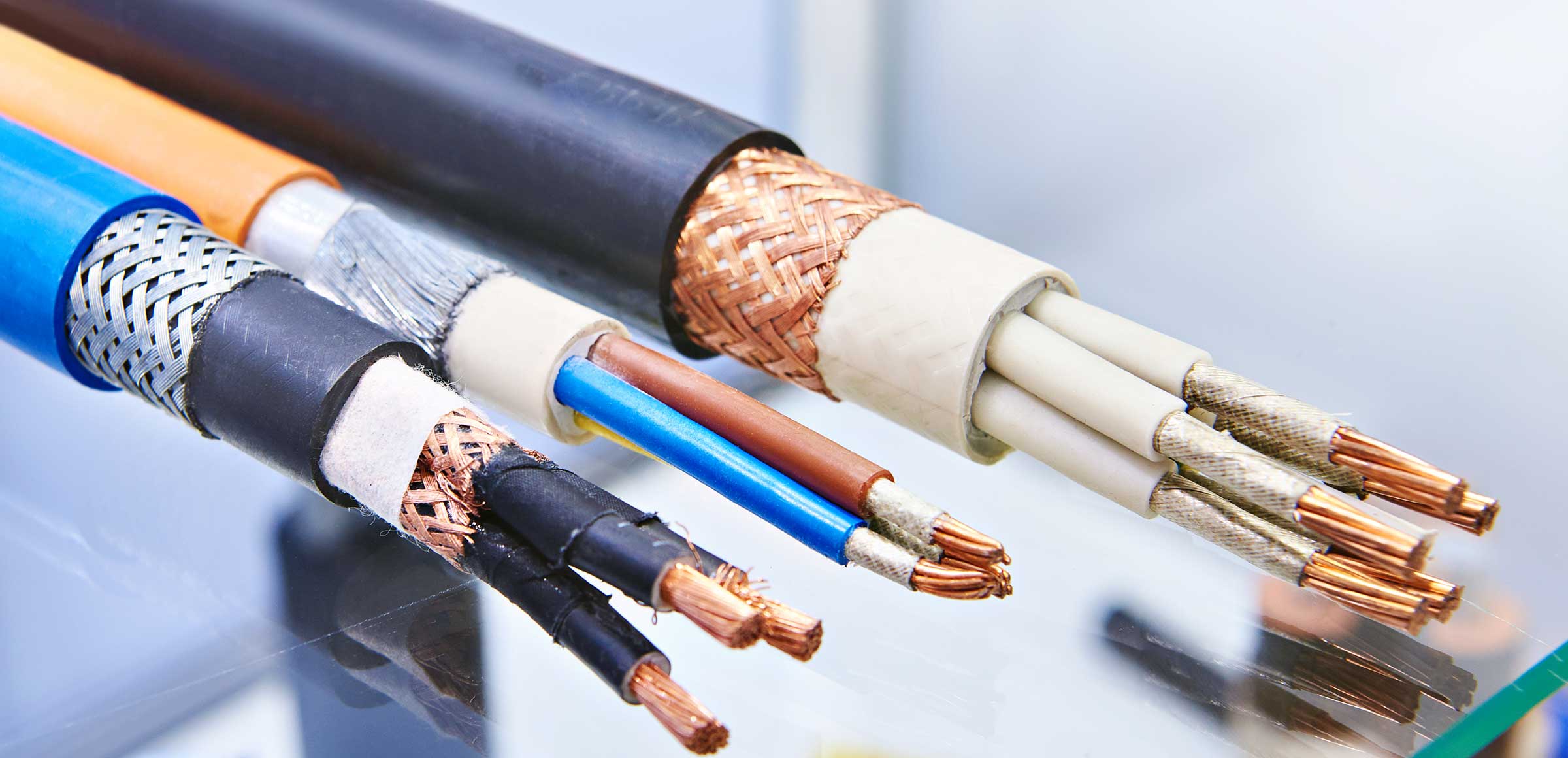
The Evolution of Cables: From Telephone Wires to Fiber Optics
The history of communication cables dates back to the 19th century, where the introduction of telephone wires marked a significant advancement in the way people connected with one another. Initially, these wires were made from copper, allowing for reasonable distances in voice transmission. As demand for faster and more reliable communication grew, innovations followed, and multiple conductors were twisted together to reduce interference. By the mid-20th century, coaxial cables began to dominate the landscape, offering improved bandwidth and shielding that made them ideal for television and data transmission. This evolution paved the way for the digital age, leading to a further transformation in how we communicate and access information.
In the late 1970s, the development of fiber optics revolutionized the telecommunications industry, offering unparalleled speeds and capacity compared to traditional copper wires. Fiber optic cables use strands of glass or plastic to transmit data as pulses of light, enabling high-bandwidth applications such as streaming and broadband internet. This technological leap not only improved the efficiency of data transfer but also facilitated the expansion of global networks. Today, the shift towards fiber optics continues as industries increasingly rely on high-speed connections for cloud computing and IoT systems, marking a new era in the legacy of communication cables.
Counter-Strike is a popular team-based first-person shooter that has become a staple in esports. Players join either the terrorist or counter-terrorist team, competing in various game modes to complete objectives. For gamers looking to enhance their mobile gaming experience, check out the Top 10 Android Charging Cables for reliable charging options. The game requires not only shooting skills but also strategic teamwork to achieve victory.
10 Surprising Uses for Old Cables You Never Considered
Old cables often get tossed aside when they are no longer usable for their original purpose, but they can actually be repurposed in surprising and innovative ways. Here are 10 surprising uses for old cables you never considered:
- Garden Trellis: Twist together some old cables to create a sturdy trellis for climbing plants, giving your garden a unique touch.
- Key Rings: Cut and fashion cables into stylish key rings that are not only functional but also a conversation starter.
- Wire Art: Use old cables to create wire sculptures or art pieces, adding a modern aesthetic to your home decor.
- Bookends: Shape old cables into interesting forms to create unique bookends that hold your collection in place while showcasing creativity.
- Dog Leash: Repurpose a durable cable as a makeshift dog leash in a pinch, ensuring your furry friend stays secure during outings.
- Hangers: Bend cables into coat or hat hangers that add a rustic flair to your entryway.
- Charging Station: Bundle cables into a neat charging station for multiple devices, reducing clutter on your desk.
- Cable Management: Use old cables to organize and tie up other cords, promoting a tidy workspace.
- Picture Frame: Design a picture frame using old cables, giving your favorite photos an industrial edge.
- Jewelry: Get creative and make unique necklaces or bracelets, incorporating segments of cable for an edgy style.
Are Wi-Fi and Ethernet Really At Odds? A Deep Dive into Connectivity Options
In the world of digital connectivity, Wi-Fi and Ethernet often find themselves at the center of debate, leaving many users to wonder if these two technologies are truly at odds. Both serve the essential purpose of connecting devices to the internet, yet they do so in fundamentally different ways. Wi-Fi offers the allure of convenience and mobility, enabling users to connect multiple devices without cumbersome wires. On the other hand, Ethernet prides itself on providing a more stable and faster connection, making it the preferred choice for activities that demand high bandwidth, such as online gaming and video streaming. Understanding these differences is crucial for optimizing your home or office network.
When deciding between Wi-Fi and Ethernet, it’s essential to consider specific use cases. For instance, if you are looking to connect devices in a small area without the hassle of cables, Wi-Fi may be the best option. However, if you prioritize speed and reliability, especially for devices like gaming consoles or desktop computers, hard-wiring them through Ethernet is often more effective. Ultimately, rather than viewing them as antagonistic, it is more beneficial to see Wi-Fi and Ethernet as complementary technologies that, when used together, can optimize connectivity and enhance user experiences.