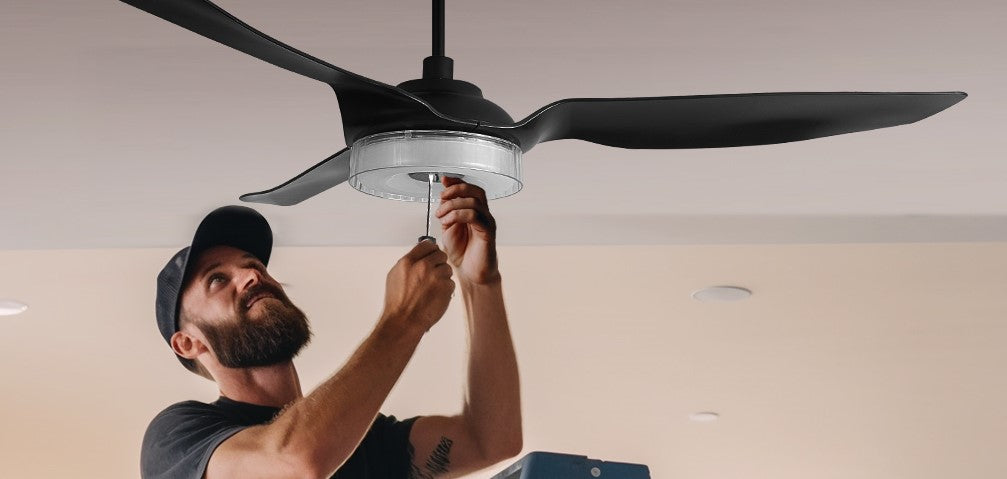
Understanding Different Fan Noises: What Your Fan is Trying to Tell You
Fans are essential appliances for regulating temperature and maintaining comfort in our spaces. However, the noises they produce can often be confusing or worrisome. Understanding the different types of fan noises can help you diagnose potential issues. For instance, a humming noise usually indicates that the fan is working properly, but if it's accompanied by a rattling sound, it may suggest that something is obstructing the blades or that the fan's motor is failing. Additionally, notice any irregular sounds such as grinding or squeaking, which may be signs of worn bearings or components that require lubrication.
Another common fan noise to be aware of is a whirring sound, which could indicate that the fan is set to a higher speed than necessary for the space it is in. In contrast, if your fan suddenly becomes silent or sporadically turns off and on, it may be due to issues with the electrical connections or the thermostat settings. It is essential to pay attention to these sounds as they can serve as crucial warnings for maintenance.
Counter-Strike is a popular multiplayer first-person shooter that has captivated players since its initial release in 1999. The game focuses on team-based action where players can take on the role of either terrorists or counter-terrorists. One important aspect for gamers is having the right gear, including reliable equipment to keep their systems running smoothly. If you're looking for options, check out the Top 10 Quiet Laptop Cooling Pads to find the best cooling solutions for your gaming sessions.
Common Fan Issues: How to Decode the Sound Signals
Fans are an integral part of maintaining a comfortable environment, but they can often produce various sounds that signal underlying issues. Recognizing these common fan issues is crucial for effective troubleshooting. For instance, a clicking sound typically indicates an obstruction, such as dirt or debris lodged in the fan blades. This not only affects performance but can lead to dangerous malfunctions if left unaddressed. If you hear a rattling noise, it may signify loose screws or components that require immediate attention. By decoding these sound signals, you can take timely actions to prolong the lifespan of your fan.
Moreover, buzzing or humming noises often point towards electrical issues, such as a failing motor or worn-out bearings. In such cases, it’s essential to turn off the fan and perform a thorough inspection or consult a professional. Another sound to be wary of is whining or screeching, which usually suggests that the fan's motor is struggling. This could be a result of inadequate lubrication. Regular maintenance, including cleaning and lubrication, can help mitigate these sounds and prevent more severe issues from arising. Understanding how to decode the sound signals from your fan will empower you to take appropriate actions swiftly.
Is Your Fan Sounding Off? Here’s What Those Noises Could Mean
If you’ve noticed your fan sounding off lately, it’s essential to pay attention to those unusual noises. Common sounds like rattling or buzzing can indicate various issues, ranging from simple dust accumulation to more serious mechanical problems. For instance, a persistent rattling noise might suggest that the fan blades are loose or that debris is trapped within the unit. On the other hand, a whining or grinding sound could signify worn-out bearings, prompting a need for maintenance or replacement. Regularly checking your fan can help prevent more significant issues down the line.
Understanding the different sounds your fan can make is crucial in determining its condition. Here are some typical noises and their potential meanings:
- Rattling: Loose components or foreign objects.
- Buzzing: Electrical issues or a failing motor.
- Grinding: Worn-out bearings or misaligned parts.
- Ticking: Objects brushing against the fan blades.
By identifying these noises early, you can take the necessary steps to ensure your fan operates efficiently and avoids costly repairs.