Exploring Remote Case: How It Shapes the Future of Work-Life Balance
The rise of remote work has significantly transformed the landscape of professional life, leading to a shift in how individuals perceive work-life balance. By eliminating daily commutes and allowing for flexible schedules, remote work offers employees the opportunity to manage their personal and professional responsibilities more effectively. This newfound freedom encourages individuals to optimize their environments—be it a home office, a local café, or even a beach—all tailored to enhance productivity while maintaining personal well-being.
As businesses increasingly adopt remote case frameworks, it becomes essential to consider how this model shapes the future of workplace culture. A focus on work-life balance can lead to improved job satisfaction, reduced stress levels, and enhanced overall performance. In fact, studies suggest that companies embracing flexible work arrangements witness lower turnover rates and higher employee engagement. By prioritizing a healthy work-life balance, organizations not only foster a more inclusive and diverse workplace but also position themselves as attractive options for top talent in a competitive market.
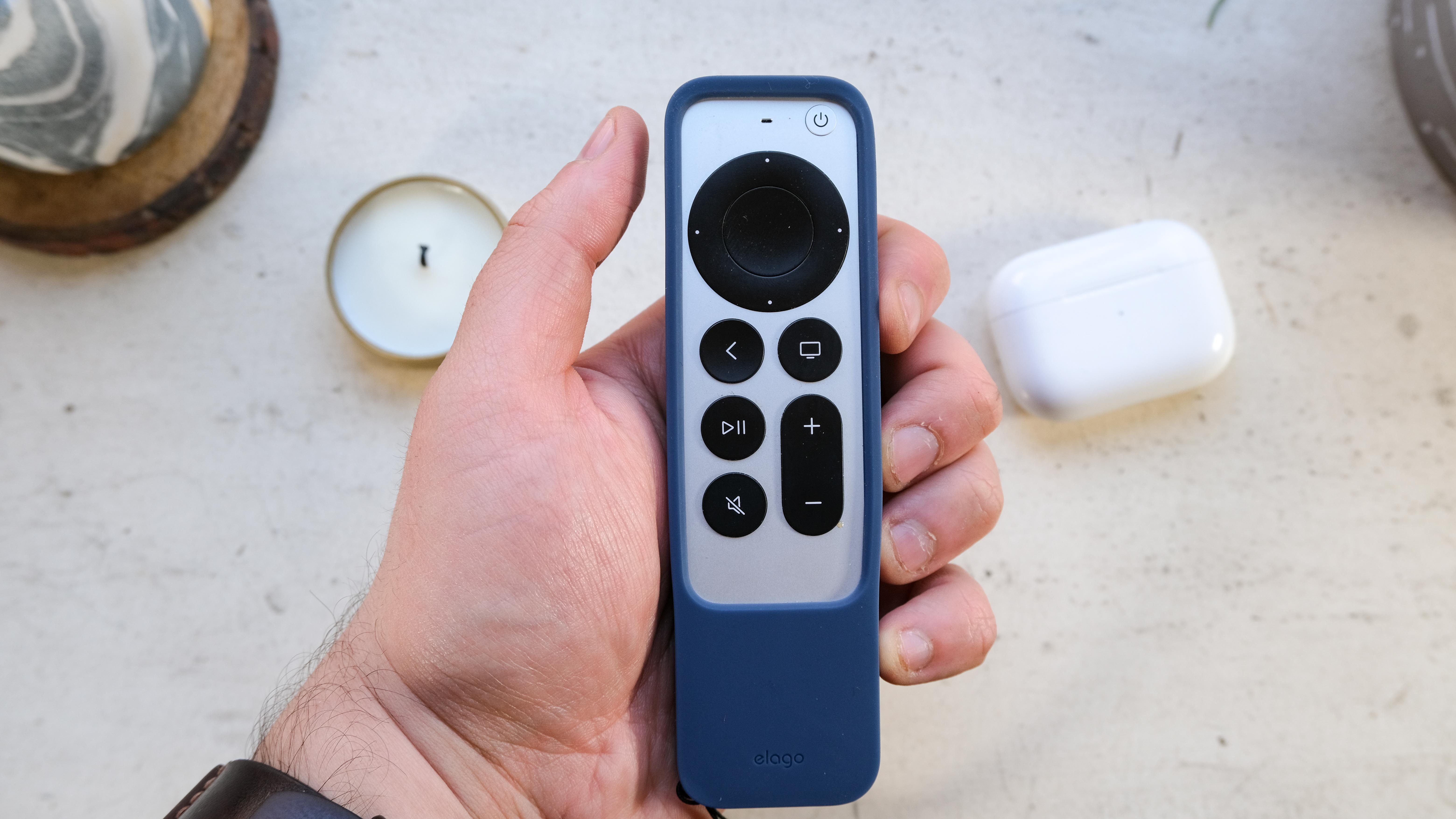
Counter-Strike is a team-based first-person shooter game that has become a cornerstone of the competitive gaming scene. Players take on the roles of either terrorists or counter-terrorists, engaging in strategic gameplay that requires teamwork and precise aim. For those looking to enhance their gaming experience, check out the Top 10 apple tv accessories available on the market today, which can provide incredible advantages when gaming.
5 Key Benefits of Embracing Remote Work for Work-Life Harmony
Embracing remote work has become a transformative approach for many professionals, offering profound benefits that contribute to work-life harmony. First and foremost, remote work allows for a more flexible schedule, enabling individuals to tailor their work hours around personal commitments. This flexibility can significantly reduce stress and improve well-being. For instance, parents can attend school events without sacrificing their job responsibilities, while individuals can manage their health appointments with ease. The ability to design one's own work hours fosters a sense of ownership and satisfaction, which is crucial for work-life harmony.
In addition to flexibility, remote work enhances productivity by reducing workplace distractions and eliminating time spent commuting. Many studies indicate that employees who work from home are often able to focus more effectively, leading to improved performance and efficiency. As a result, professionals can complete tasks in less time, which in turn allows for more leisure and family time. Ultimately, by embracing remote work, organizations can cultivate a healthier work environment that prioritizes work-life harmony, benefiting both employees and the company as a whole.
Is Remote Work the Ultimate Solution to Achieving Work-Life Balance?
The shift to remote work has revolutionized the way we perceive and achieve work-life balance. With the flexibility to work from home, employees can tailor their work schedules to better fit their personal lives. This newfound freedom allows individuals to engage in personal interests, spend more quality time with family, and even manage household tasks more effectively. According to a recent study, 79% of remote workers reported improved feelings of work-life balance, indicating that the ability to adapt work hours to one's own needs can greatly enhance overall satisfaction.
While remote work presents numerous advantages, it also requires discipline and self-management to maintain this balance. Without the physical separation of an office, the boundaries between personal and professional life can blur, leading to potential burnout. Therefore, establishing a structured routine becomes crucial. Here are some tips to maintain work-life balance while working remotely:
- Set a dedicated workspace.
- Establish clear working hours.
- Take regular breaks to recharge.
- Limit distractions from household chores.