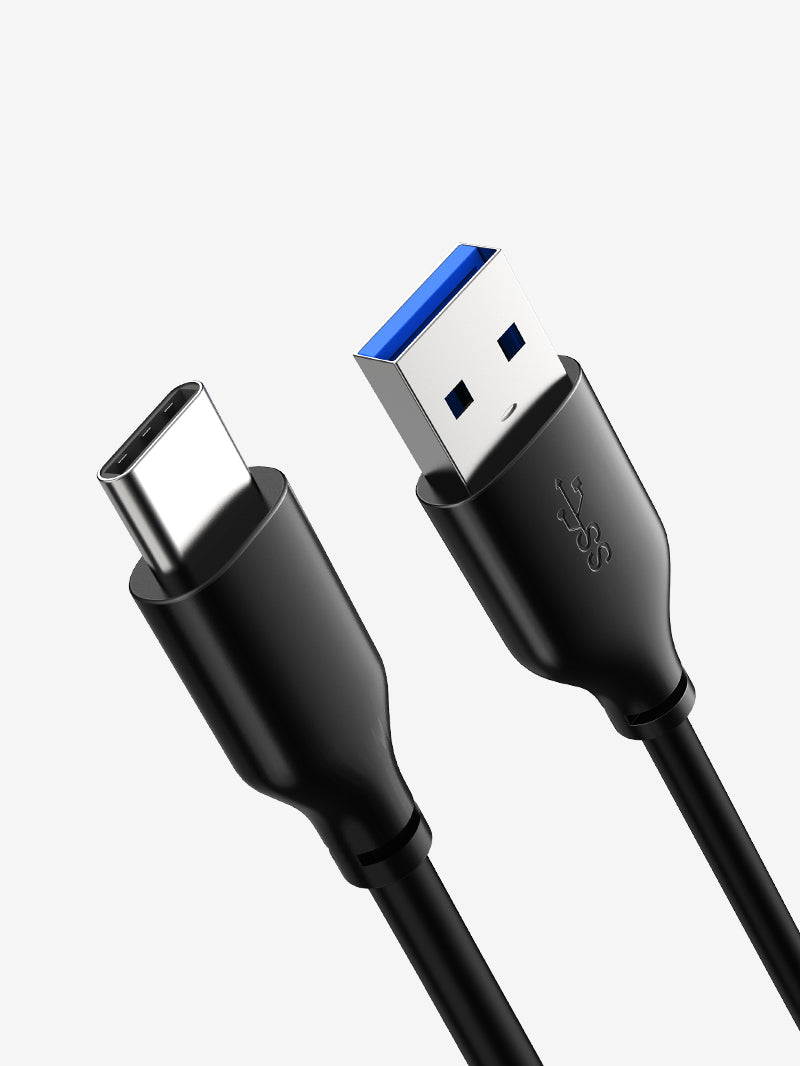
Understanding USB-C: The Versatile Connector Revolutionizing Our Devices
USB-C is a universal connector that has transformed how we connect and power our devices. Unlike its predecessors, such as USB-A and USB-B, the USB-C offers a reversible design, allowing users to plug it in either way without the frustration of orientation. This versatility has made it the standard for many new devices, including smartphones, laptops, and accessories. Additionally, the USB-C connector supports a range of functionalities, such as data transfer, video output, and charging, all through a single port. This shift not only simplifies connections but also promotes the use of fewer cables.
The adoption of USB-C has led to several benefits for consumers and manufacturers alike. One of the most significant advantages is the ability to deliver faster charging and data speeds, with some USB-C cables supporting up to 100 watts of power and data transfer rates of 40 Gbps. This has ushered in an era where devices can be charged more quickly and efficiently, while also enabling high-resolution displays to connect seamlessly. As more manufacturers embrace this technology, the USB-C connector is poised to become the predominant choice for connectivity, ensuring a future where compatibility and convenience reign supreme.
Counter-Strike is a highly popular first-person shooter game that emphasizes teamwork and strategy. Players are divided into two teams: Terrorists and Counter-Terrorists, each with distinct objectives. For those who enjoy playing on the go with a MacBook, check out the Top 10 macbook air accessories that can enhance your gaming experience. The game requires quick reflexes, communication, and coordination among team members to secure victory.
Top 5 Benefits of Using USB-C for All Your Gadgets
As technology continues to evolve, USB-C has emerged as the universal connector for various gadgets, offering numerous advantages for users. One of the top benefits of using USB-C is its reversible design, which makes plugging in cables a breeze. No more fumbling around with connectors; simply insert the cable either way, and you're good to go. Additionally, USB-C supports faster data transfer rates, allowing you to move large files between devices quickly and efficiently.
Another significant advantage of USB-C is its ability to deliver more power through the same connector, which means you can charge your devices more rapidly. This feature is particularly beneficial for power-hungry gadgets like laptops and tablets, where time is of the essence. Moreover, the versatility of USB-C allows it to serve various purposes beyond charging, including video output and connecting multiple peripherals. With so many advantages, it's clear why embracing USB-C for all your gadgets can simplify your tech life.
Is USB-C the Future of Connectivity? Exploring Its Impact on Tech
The emergence of USB-C as a universal standard has revolutionized the way we connect our devices. Unlike its predecessors, this versatile port offers a range of benefits that have made it an attractive option for manufacturers and consumers alike. With its capability for fast data transfer, charging support up to 100 watts, and the ability to connect to a variety of devices—from laptops to smartphones and even some gaming consoles—USB-C is poised to become the primary method of connectivity in the tech world. As more devices adopt this format, the convenience of using a single cable for multiple functions cannot be overstated, making it a game-changer in the realm of consumer electronics.
Moreover, the impact of USB-C extends beyond its physical capabilities. Its adoption fosters a more sustainable approach to technology by reducing e-waste, as users can rely on one type of connector instead of multiple cables and adapters. This shift has led to a broader conversation about standardization in the tech industry, pushing manufacturers to prioritize compatibility and accessibility. As we delve deeper into a future dominated by smart devices and interconnected systems, the role of USB-C as a central hub for connectivity cannot be underestimated. In essence, the question is not just whether USB-C is the future of connectivity, but rather how it will shape the evolution of technology in the years to come.