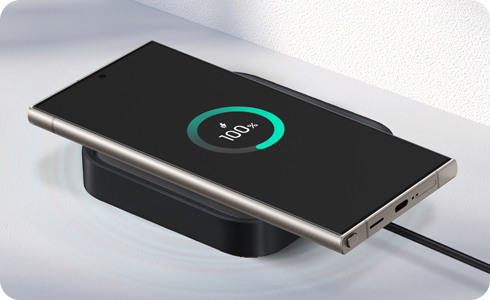
The Science Behind Fast Charging: How It Works and Why It Matters
The science behind fast charging is grounded in advanced battery technology and electrical engineering principles. Fast charging utilizes higher current and voltage levels to charge a device's battery much quicker than traditional methods. The key to this technology lies in lithium-ion batteries, which are designed to handle rapid energy transfer. Charging protocols, such as Qualcomm's Quick Charge and USB Power Delivery, facilitate negotiation between the charger and the device to determine the optimal charging rate, ensuring safety and efficiency.
Understanding why fast charging matters extends beyond convenience. As our reliance on mobile devices increases, faster charging solutions help users maintain productivity without lengthy interruptions. In this fast-paced world, the ability to quickly recharge devices allows us to stay connected and operational. Furthermore, improved fast charging technology can potentially enhance battery lifespan by optimizing charging cycles, thus providing long-term benefits to users. Overall, the science behind fast charging combines innovation and practicality, making it an essential feature for modern electronics.
Counter-Strike is a popular series of multiplayer first-person shooter games that focus on team-based gameplay. Players take on the role of either terrorists or counter-terrorists, engaging in various objectives and missions. For gamers on the go, having the right accessories is crucial; check out the Top 10 iPhone car chargers to keep your devices powered during intense gaming sessions.
Top 5 Fast Charging Technologies Revolutionizing Our Devices
In today's fast-paced world, speed is of the essence, especially when it comes to powering our devices. With the revolution of fast charging technologies, users no longer have to wait hours to recharge their gadgets. Here are the Top 5 Fast Charging Technologies that are making waves in the industry:
- Qualcomm Quick Charge: One of the most recognized standards, it allows devices to charge up to four times faster than traditional charging.
- USB Power Delivery (USB PD): This technology can deliver up to 100W of power and is versatile enough to charge a range of devices, from smartphones to laptops.
- Samsung Adaptive Fast Charging: This system dynamically adjusts the voltage and current for rapid recharging.
- Apple's Fast Charge: By supporting higher wattage charging with compatible cables, Apple users can charge their devices to 50% in just 30 minutes.
- OnePlus Warp Charge: Known for its impressive speed, it offers users a day's power in just 20 minutes.
Is Fast Charging Safe? Debunking Myths and Exploring Best Practices
The rise of fast charging technology has sparked numerous discussions regarding its safety. Many users are concerned about whether rapid charging can damage their devices or affect battery lifespan. However, most modern smartphones and devices are designed with sophisticated charging systems that regulate the amount of power delivered. This means that when you use a compatible fast charger, it intelligently adjusts the charging speed based on your device's needs. In fact, according to several studies, properly implemented fast charging can actually enhance battery longevity by minimizing the time the device is plugged in, thus reducing heat generation during the charging process.
Nonetheless, there are some common myths surrounding fast charging that need debunking. One prevalent myth is that using a fast charger will void your warranty. In reality, as long as the charger is certified and compatible with your device, it should not cause any issues. Additionally, overheating is frequently cited as a concern. To mitigate this, it's crucial to follow best practices, such as avoiding using your phone while it’s charging and ensuring adequate ventilation. By adhering to these guidelines, users can safely enjoy the benefits of fast charging without unnecessary risks.