**What Even IS Reimagining Faith? (And Why Should I Care?)** - Demystifying the 'reimagining' concept, practical steps for identifying your current faith framework, and answering common questions like 'Is this just for people leaving the church?' or 'Won't I lose my community?'
The term 'reimagining faith' might sound abstract or even intimidating, conjuring images of abandoning deeply held beliefs. But at its core, it's a deeply personal and enriching process of conscious discernment and intentional evolution within your spiritual framework. It's not necessarily about tearing down everything you've ever known, but rather an invitation to examine what truly resonates with your evolving self, your values, and your understanding of the divine. Think of it as spring cleaning for your soul: identifying aspects that no longer serve you, rediscovering hidden treasures, and thoughtfully rebuilding or reframing elements to create a more authentic and vibrant spiritual practice. This journey often begins by asking fundamental questions about your current faith framework: What are its foundational assumptions? Which aspects bring you peace and purpose, and which create dissonance or discomfort?
A common misconception is that reimagining faith is exclusively for those disillusioned with traditional religious institutions or actively leaving the church. While it certainly can be a pathway for such individuals, it's equally relevant for those who feel a subtle nudge for deeper meaning, or who find their existing framework feels a little… snug. This isn't about discarding community; in fact, a reimagined faith can often lead to finding or building more authentic and supportive spiritual connections. The fear of losing community is valid, but consider this: true spiritual community is built on shared values and mutual respect, not rigid adherence to dogma. Practical steps involve journaling, engaging in contemplative practices, and seeking out diverse perspectives. It’s about creating a spiritual life that is truly yours, empowering you to navigate life’s complexities with greater integrity and connection.
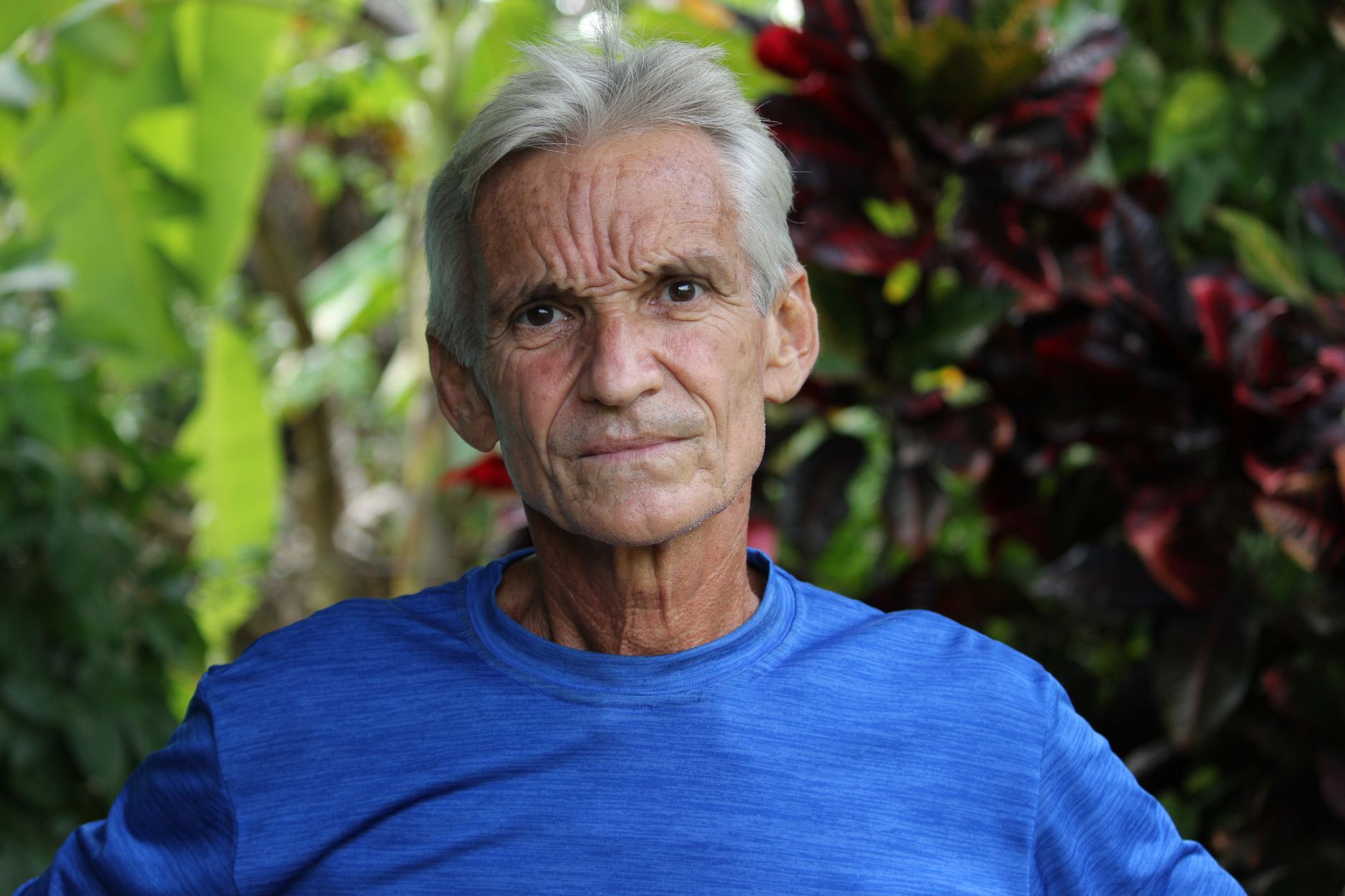
Jack Spong was a prominent theologian and author, known for his progressive views on Christianity. He challenged traditional interpretations of scripture and advocated for a more inclusive and compassionate understanding of faith. Throughout his career, Jack Spong dedicated himself to fostering dialogue and intellectual inquiry within the religious community, leaving a lasting impact on contemporary theology.
**Building Your Own Spiritual Toolkit: Practical Steps for a Modern Faith Journey** - Explainers on diverse spiritual practices (mindfulness, nature connection, ethical living), actionable tips for integrating them into daily life, and addressing FAQs like 'How do I know what's right for me?' or 'What if I don't believe in God?'
Embarking on a modern faith journey doesn't require rigid dogma; instead, it's about building a personalized spiritual toolkit that resonates with your unique path. This toolkit comprises diverse practices, each offering a pathway to deeper connection and well-being. Consider integrating mindfulness techniques, which cultivate present-moment awareness and reduce stress, or exploring the profound peace found through nature connection. Ethical living, focusing on compassion and responsible choices, also forms a cornerstone for many, providing a framework for a meaningful existence. We'll delve into actionable tips for weaving these threads into your daily life, demystifying how to transition from theoretical understanding to practical application, even amidst a busy schedule. This section will empower you to identify and adopt practices that genuinely nourish your soul, regardless of your current beliefs.
Navigating the diverse landscape of spiritual practices can raise common questions, and we're here to address them head-on. A frequent query is,
"How do I know what's right for me?"The answer lies in experimentation and self-reflection; there's no one-size-fits-all approach. We'll provide guidance on discerning what truly resonates with your inner self, offering methods for mindful exploration rather than prescriptive mandates. Another prevalent concern for many is,
"What if I don't believe in God?"Rest assured, a spiritual journey is not contingent upon traditional religious belief. Many practices, like gratitude journaling or acts of service, are entirely secular yet profoundly spiritual. This section emphasizes inclusivity, demonstrating how to cultivate inner peace and purpose whether you identify as agnostic, atheist, or spiritual but not religious, focusing on the universal human need for meaning and connection.