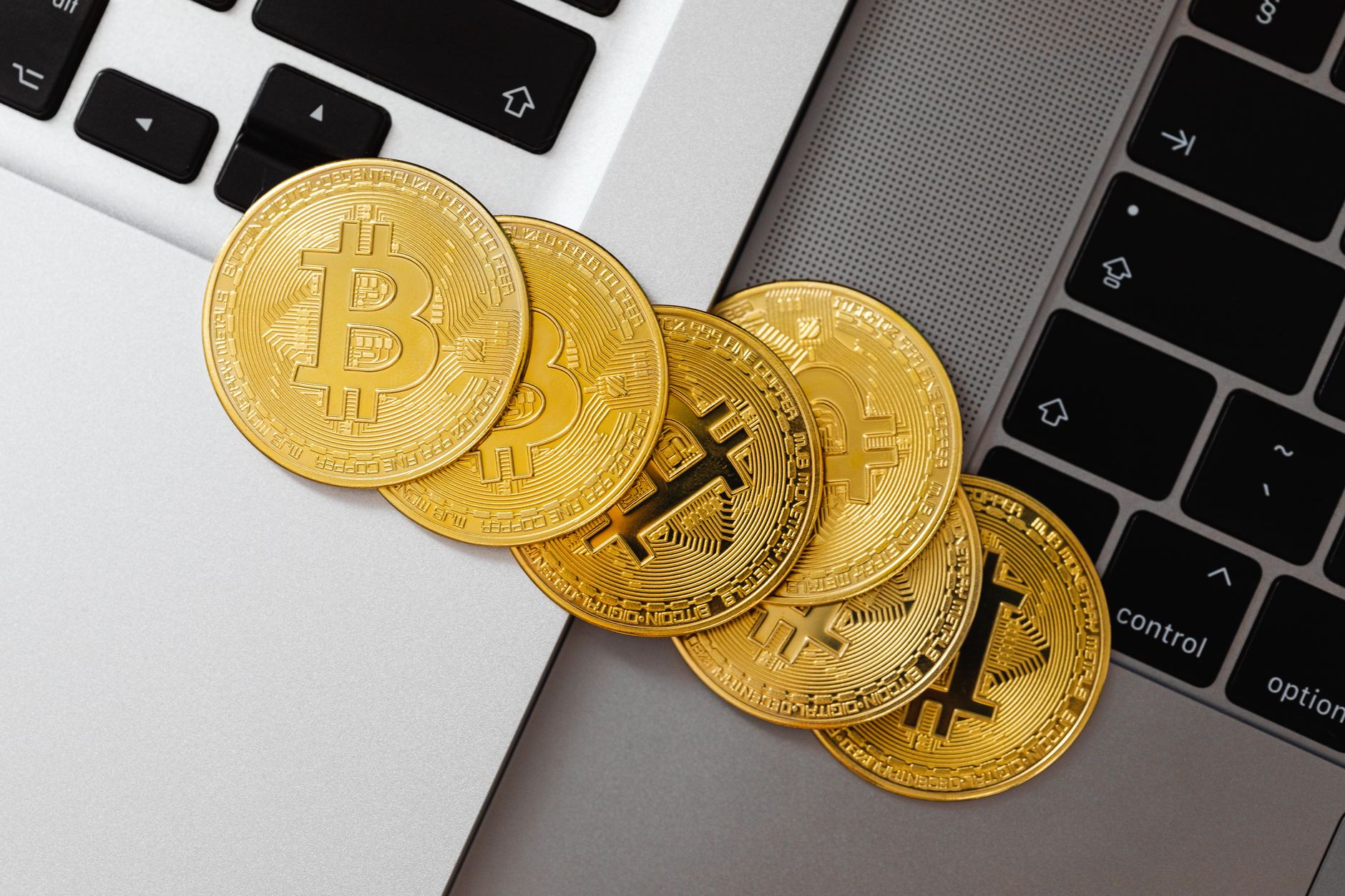
Understanding the Game: Crypto Betting Basics & Why Fans Are Diving In (What it is, how it works, why it's appealing, common misconceptions, beginner's guide to platforms).
Crypto betting, at its core, leverages the decentralized nature of cryptocurrencies to facilitate wagers on various events, much like traditional online betting. Instead of using fiat currency, users deposit and bet with digital assets like Bitcoin (BTC), Ethereum (ETH), or Solana (SOL). This shift brings several advantages, including often faster transactions, enhanced privacy due to pseudonymous wallets, and potentially lower fees compared to traditional banking methods. The appeal for fans is multi-faceted: it combines the thrill of speculating on crypto market movements with the excitement of sports or casino gaming. Many platforms offer a wide array of betting markets, from major sporting events to esports and even political outcomes, all settled transparently on the blockchain. It's crucial to understand that while a crypto wallet is needed, the underlying betting mechanics often mirror those of conventional sites, making the transition relatively smooth for experienced bettors.
However, several misconceptions often cloud the understanding of crypto betting. Firstly, it's not inherently anonymous; while transactions are pseudonymous, advanced chain analysis can sometimes link wallets to individuals. Secondly, while some platforms boast 'provably fair' games, not all do, so due diligence is paramount. The appeal for many also stems from the potential for greater returns if their chosen cryptocurrency appreciates in value while the bet is live, adding another layer of speculative excitement. For beginners, diving in involves a few key steps:
- Acquire cryptocurrency: Purchase BTC or ETH from a reputable exchange.
- Choose a platform: Research licensed and reputable crypto betting sites.
- Understand wallet security: Learn how to secure your crypto wallet.
- Start small: Begin with modest bets to familiarize yourself with the process.
With the 2026 World Cup on the horizon, the intersection of sports and decentralized technology is set to create unprecedented opportunities for fans. The rise of crypto betting platforms will allow for secure, transparent, and potentially more lucrative wagers on matches, moving beyond traditional bookmakers. Enthusiasts eager to explore world cup 2026 crypto betting can expect a wide array of options, from predicting match outcomes to player performances, all facilitated by the power of blockchain.
Beyond the Hype: Mastering Crypto Bets & Staying Ahead of the Curve (Advanced strategies, risk management, legal landscape, future trends, FAQs from experienced bettors).
Venturing beyond the initial thrill of crypto betting demands a sophisticated approach, shifting focus from mere prediction to strategic market navigation. Advanced bettors understand that true mastery lies in leveraging complex data analytics and recognizing underlying market sentiment. This includes delving into on-chain metrics, analyzing smart contract activity, and interpreting the impact of regulatory shifts. Furthermore, successful strategies often involve portfolio diversification across various betting platforms and even different cryptocurrency assets, mitigating risk while maximizing potential returns. Consider exploring arbitrage opportunities, where price discrepancies across exchanges can be exploited, or developing algorithms to automate betting decisions based on predefined parameters. It's a game of informed calculated risks, not blind luck.
Effective risk management in crypto betting is paramount and extends far beyond simply setting stop-loss orders. It encompasses a deep understanding of market volatility, the legal nuances of different jurisdictions, and the evolving regulatory landscape. Bettors must stay abreast of jurisdictional changes, as what is permissible today may be restricted tomorrow, potentially impacting access to funds or platform legality. Furthermore, understanding the technical security of various platforms and employing robust personal cybersecurity practices – such as using hardware wallets and strong, unique passwords – is crucial to protect your assets from hacks and scams. The future of crypto betting will undoubtedly bring more sophisticated tools, greater regulatory clarity (and complexity), and an even greater demand for adaptive strategies and continuous learning to stay ahead of the curve. Preparing for these shifts now is key to long-term success.