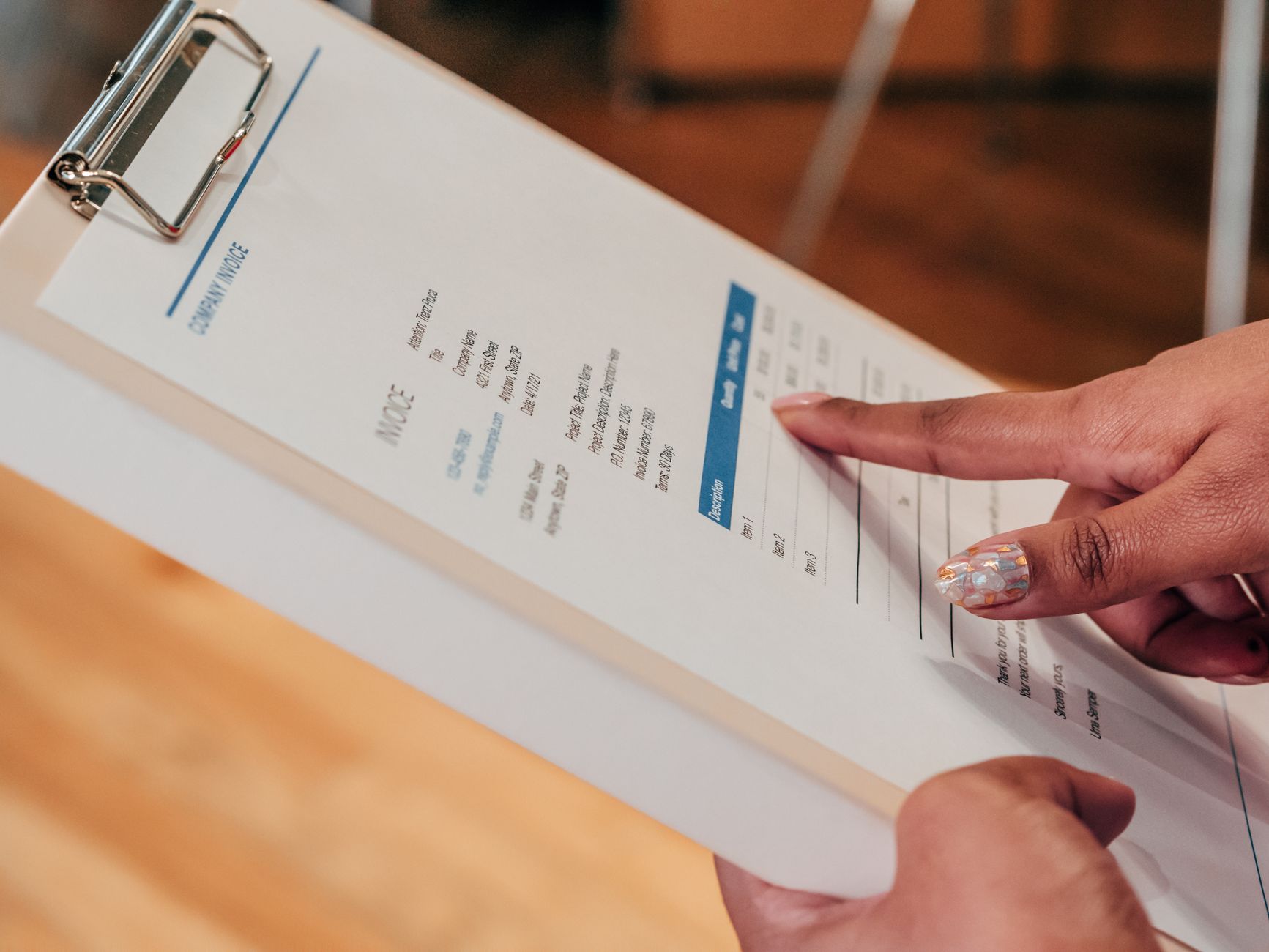
Navigating the UAE E-Invoicing Landscape: From Mandates to Practicalities
The United Arab Emirates (UAE) is rapidly modernizing its financial infrastructure, and e-invoicing is at the forefront of this transformation. Businesses operating within the UAE, or those with transactions involving UAE entities, must understand the evolving landscape to ensure compliance and avoid potential penalties. While a comprehensive federal mandate for e-invoicing is still under development, individual free zones and specific sectors are already implementing their own requirements. For example, some free zones are piloting digital platforms for invoice submission, signaling a broader shift. This proactive approach by various authorities highlights the UAE's commitment to enhancing transparency, streamlining tax collection, and combating economic crime. Staying informed about these sector-specific and free zone mandates is crucial for any business looking to operate efficiently and compliantly within the UAE's dynamic economic environment.
Beyond mere compliance, embracing e-invoicing offers substantial practical advantages for businesses in the UAE. Transitioning from paper-based or manual invoicing processes to an electronic system can lead to significant improvements in efficiency, accuracy, and cost savings. Consider the benefits: improved cash flow due to faster invoice processing, reduced human error from manual data entry, and enhanced audit trails for regulatory compliance. Furthermore, e-invoicing platforms often integrate seamlessly with existing accounting and ERP systems, further streamlining operations. Businesses that proactively adopt e-invoicing solutions will find themselves better positioned to adapt to future federal mandates and gain a competitive edge. It's not just about meeting requirements; it's about leveraging technology to optimize financial operations and drive sustainable growth in a digitally transforming economy.
The UAE has been actively progressing towards the implementation of a comprehensive e-invoicing system to streamline financial transactions and enhance tax compliance. Businesses operating in the region should prepare for the upcoming mandates related to UAE e-invoicing, which will likely involve digital submission and standardized formats for invoices. This move is expected to boost efficiency, reduce errors, and foster greater transparency across the UAE's economic landscape.
Your E-Invoicing Roadmap: Common Questions, Expert Answers & Practical Implementation Tips
Navigating the transition to e-invoicing can feel like charting unknown waters, especially with varying regulations and technological considerations. Many businesses, from SMEs to large enterprises, share similar questions and concerns as they embark on this journey. For instance, what are the mandatory compliance deadlines in my region? How do I ensure data security and integrity throughout the e-invoicing process? Furthermore, what are the best practices for integrating e-invoicing solutions with existing ERP systems? Understanding these common queries is the first step towards building a robust and compliant e-invoicing roadmap. Our expert answers aim to demystify the complexities, providing clear, actionable insights to help you move forward with confidence.
Successful e-invoicing implementation goes beyond simply adopting new software; it requires a strategic approach that addresses both technical and operational aspects. Practical implementation tips often revolve around meticulous planning and stakeholder engagement. Consider these key areas:
- Phased Rollout: Instead of a 'big bang' approach, opt for a phased rollout, starting with a pilot group or specific transaction types to iron out kinks.
- Vendor Collaboration: Proactively engage with your key suppliers and customers to ensure their readiness and understanding of your e-invoicing requirements.
- Employee Training: Invest in comprehensive training for your finance and IT teams to ensure they are proficient with the new system and processes.
By focusing on these practical steps, businesses can mitigate risks, streamline their implementation process, and ultimately unlock the significant efficiency and cost-saving benefits that e-invoicing offers.