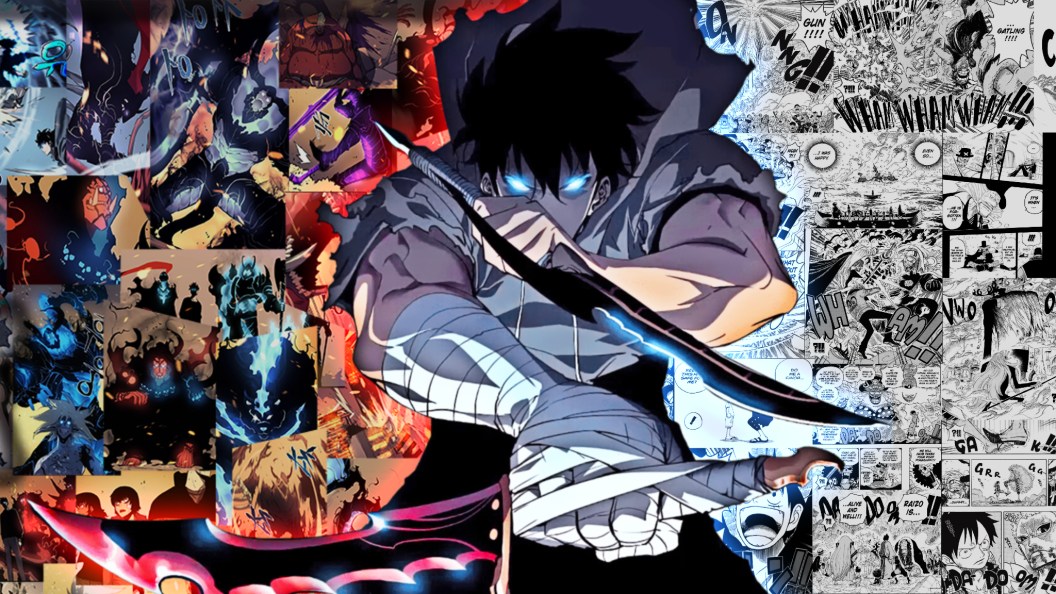
The Evolution of Manga and Manhwa: A Cultural Perspective
The evolution of manga and manhwa illustrates a rich tapestry of cultural influences that have shaped these art forms over decades. Originating from traditional Japanese art and storytelling methods in the late 19th century, manga began as simple illustrated tales and gradually transformed into the diverse range of genres and styles we see today. By contrast, manhwa, which developed in Korea, reflects a different cultural narrative, influenced by Western media and local storytelling traditions. The rise of digital platforms has further accelerated this evolution, allowing creators from both regions to reach global audiences while also blending distinct visual and thematic elements.
As manga and manhwa continue to evolve, their cultural significance becomes even more pronounced. Both forms now serve as vehicles for exploring complex social issues, identity, and personal expression. For instance, themes surrounding gender roles, relationships, and mental health are increasingly prevalent, resonating with younger audiences. This cultural fusion not only enriches the narratives within these comics but also fosters a growing community of fans worldwide, as they connect over shared interests and experiences. Ultimately, the evolution of manga and manhwa reflects a dynamic interplay between tradition and innovation, telling stories that resonate across borders.
If you're a fan of the popular series, you won't want to miss the chance to explore the solo leveling shop for exclusive merchandise and collectibles. This shop offers a variety of items that celebrate the thrilling story and dynamic characters, perfect for any avid reader. Don't forget to check out their latest additions to stay updated with the expanding universe of Solo Leveling!
Key Differences Between Manga and Manhwa: Art Style, Storytelling, and Format
Manga and manhwa are both popular forms of graphic storytelling that originate from Japan and South Korea, respectively. One of the key differences lies in their art style. Manga typically features a more intricate and detailed artwork, often employing black and white illustrations with dynamic line work that captures movement and expression vividly. In contrast, manhwa tends to incorporate a more fluid, softer style with a greater use of color, showcasing characters with more pronounced facial features and delicate backgrounds. The stylistic choices of each format appeal to different audiences, influencing their overall reception and popularity across global markets.
When it comes to storytelling, manga often follows a serialized format where chapters are released weekly or monthly, allowing for extensive world-building and character development over time. Manhwa, however, often features webtoons that are designed for digital consumption, enabling more accessible vertical scrolling formats that suit mobile devices. This results in a faster-paced narrative structure that captures attention quickly, often relying on vivid color and striking visuals to convey emotions and themes. Understanding these differences in format and presentation helps readers appreciate the unique qualities that each medium offers, enhancing their experience with both manga and manhwa.
Why Choose Manga or Manhwa? A Guide for New Readers
If you're new to the world of comics, deciding between Manga and Manhwa can seem overwhelming. Both offer rich storytelling and stunning artwork, but they differ in style and cultural context. Manga, originating from Japan, often features clean lines and dynamic panel layouts. On the other hand, Manhwa, coming from South Korea, is typically characterized by its vibrant color palettes and more westernized art style. Understanding these differences can help you choose the right genre that aligns with your reading preferences.
Another factor to consider is the variety of genres available in both Manga and Manhwa. From action and adventure to romance and fantasy, both forms cater to a wide audience. If you're a fan of intricate plots and character development, you might find yourself gravitating towards Manga series such as One Piece or Death Note. Meanwhile, readers looking for contemporary themes might enjoy Manhwa like True Beauty or Let's Play. Regardless of your choice, both mediums offer an incredible escape into diverse worlds filled with unique characters and compelling narratives.