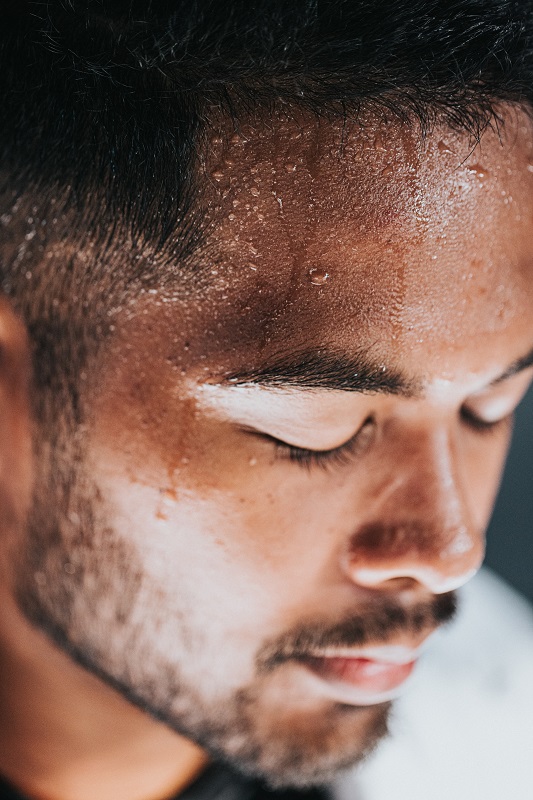
The Science Behind Sweat: How Your Body Keeps Its Cool
The process of sweating is a remarkable biological function that plays a crucial role in maintaining the body’s temperature, especially during physical exertion or exposure to heat. When your body temperature rises, the hypothalamus—a small region at the base of your brain—signals your sweat glands to start producing sweat. This clear, salty liquid is composed mainly of water, but it also contains electrolytes and waste products. As sweat evaporates from the skin's surface, it transfers heat away from the body, effectively cooling you down and helping prevent overheating.
Interestingly, the amount of sweat produced can depend on various factors including genetics, physical fitness, and environmental conditions. Individuals who are more conditioned might sweat more efficiently, allowing their bodies to regulate temperature more effectively. Additionally, factors such as humidity can affect the evaporation rate of sweat; high humidity levels can hinder the cooling process, making you feel hotter. Understanding the science behind sweat not only helps you appreciate this vital biological function but also emphasizes the importance of staying hydrated, especially during intense physical activities.
Counter-Strike is a tactical first-person shooter game that has gained immense popularity since its release. With its strategic gameplay and team-based objectives, players engage in intense battles either as terrorists or counter-terrorists. Players can enhance their performance by using various gear, much like choosing Top 10 Apple Watch Bands for Sweating for optimal comfort during workouts.
5 Surprising Benefits of Sweating You Didn't Know About
While sweating is often associated with physical exertion and discomfort, it actually offers a range of surprising benefits that many people overlook. First and foremost, sweating plays a crucial role in regulating body temperature. When we sweat, our bodies release moisture that evaporates, helping to cool us down during exercise or in hot environments. This natural mechanism not only keeps us comfortable but also enhances our performance, allowing us to push ourselves further without overheating.
Additionally, sweating can promote healthy skin. When we sweat, our pores open up, allowing dirt and toxins to be expelled, creating a natural cleansing effect. This process can lead to improved skin clarity and texture, making sweating a natural alternative to expensive skincare treatments. Finally, the act of sweating can trigger the release of endorphins, which can contribute to improved mood and reduced stress levels—another surprising benefit that makes sweating worth embracing in our daily routines.
Is Sweating Excessively Bad for You? Unpacking the Myths
Is sweating excessively bad for you? This question often arises in conversations about health and wellness. While sweating is a natural bodily function that helps regulate body temperature, excessive sweating (also known as hyperhidrosis) can lead to discomfort and social anxiety. It's important to recognize that sweating itself is not harmful; rather, it is the underlying triggers that could be concerning. Factors such as anxiety, certain medical conditions, and medications can contribute to increased perspiration. Understanding these triggers is crucial in determining whether the sweating is a symptom of something more serious.
There are many myths surrounding the idea of excessive sweating. One common misconception is that individuals who sweat a lot are necessarily unhealthy or unfit. In reality, excessive sweating can occur in well-conditioned athletes, as their bodies are simply more efficient at regulating temperature. Additionally, it’s worth noting that managing excessive sweating is possible through various treatments, ranging from topical antiperspirants to prescription medications and even surgical options in extreme cases. If you find that sweating impacts your daily life, consulting a healthcare professional can provide you with tailored advice and treatment options.