Top 10 Everyday Safety Tips Everyone Should Know
Ensuring safety in our daily lives is paramount, and implementing simple precautions can make all the difference. Here are the top 10 everyday safety tips everyone should know:
- Stay aware of your surroundings, whether walking alone or in a crowded place.
- Keep your home secure by locking doors and windows, and consider installing a security system.
- Always wear your seatbelt when driving or riding in a vehicle.
- Practice fire safety by having smoke detectors installed and escaping plans in place.
- Be cautious with personal information; avoid oversharing on social media.
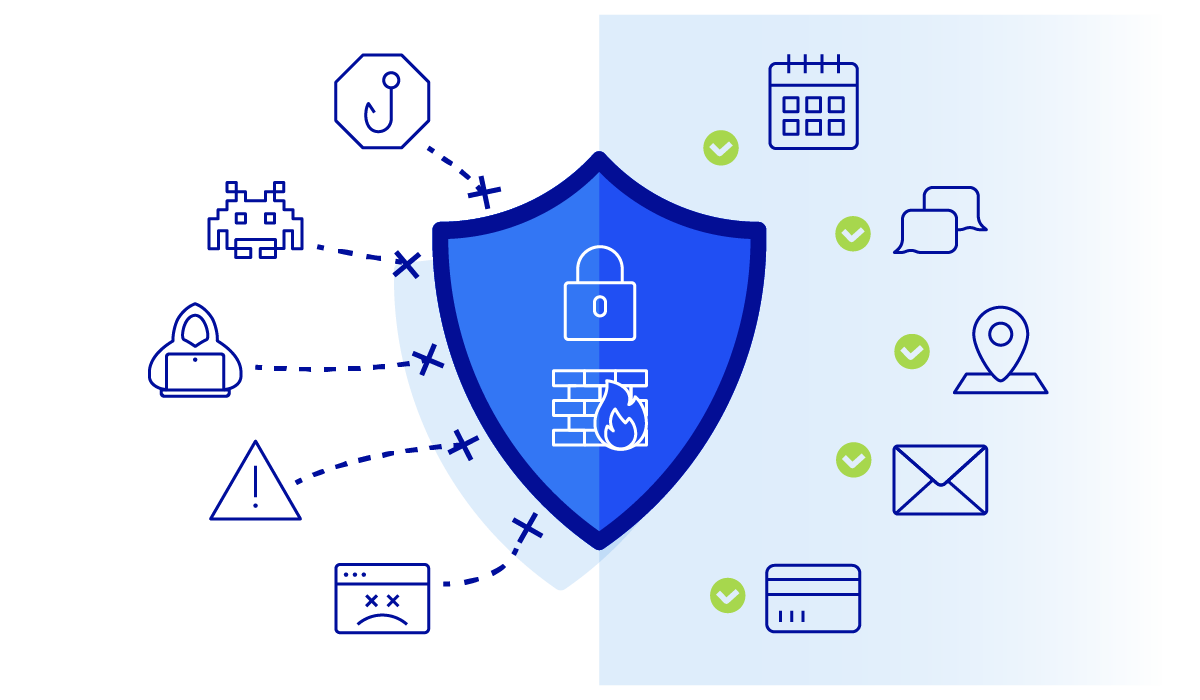
- Use strong and unique passwords for your online accounts.
- Keep a first aid kit handy for minor injuries.
- Stay hydrated and wear sun protection when spending time outdoors.
- Report any suspicious activity to authorities immediately.
- Educate yourself on self-defense techniques!
Counter-Strike is a popular tactical first-person shooter game that has captivated millions of players around the world. The game features intense team-based gameplay where players can choose to be part of either a terrorist or counter-terrorist team. It's not just about shooting skills; strategy and teamwork are essential for success. If you're looking to equip yourself with the best accessories for your devices while gaming, check out the Top 10 iPhone 17 cases to protect your phone while you enjoy your gaming sessions.
How to Create a Home Safety Checklist: Protecting What Matters Most
Creating a home safety checklist is essential for ensuring the well-being of your family and the security of your property. Begin by evaluating each area of your home, including the entryways, bedrooms, kitchen, and outdoor spaces. Consider including the following items on your list:
- Check smoke and carbon monoxide detectors
- Ensure fire extinguishers are accessible and functional
- Inspect for potential trip hazards like loose rugs or clutter
- Review emergency escape routes and practice drills
Once you've compiled your home safety checklist, it's important to regularly review and update it. Homes change over time, and new safety concerns may arise. Consider setting a schedule to check your safety measures seasonally or after any significant changes in your living situation. Remember, the goal is to create a secure and comforting environment for your loved ones, so make adjustments as needed and stay informed about the latest safety recommendations.
Are You Prepared? The Essential Guide to Emergency Readiness
In today's unpredictable world, being prepared for emergencies is more crucial than ever. Are you prepared? Understanding the basics of emergency readiness can make all the difference when unexpected situations arise. Start by creating an emergency kit that includes essential supplies such as water, non-perishable food items, a flashlight, a first aid kit, and a battery-powered radio. Additionally, it's wise to have important documents, like identification and medical records, stored safely but accessible in a time of need.
Planning is key, so take the time to develop an emergency plan for yourself and your family. Consider creating a communication strategy that designates a safe meeting place and establishes how to stay in touch if separated. Educate everyone on the plan, whether through organized meetings or informative brochures, to ensure everyone knows their responsibilities during a crisis. As the saying goes, "An ounce of prevention is worth a pound of cure," so taking these proactive steps will help ensure you're ready for the unexpected.