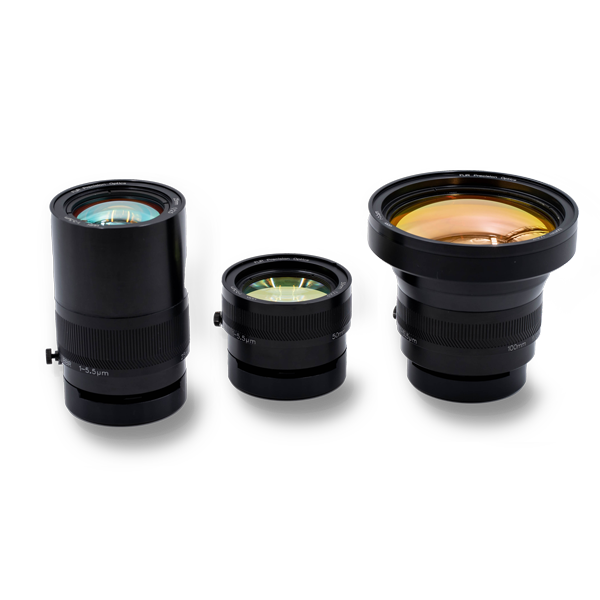
The Science Behind Lenses: How They Alter Our Perception of the World
The world we perceive is significantly influenced by the lenses we use, whether in our eyeglasses, cameras, or microscopes. These optical devices can manipulate light in specific ways, altering how we see colors, shapes, and even distances. For instance, concave lenses spread light rays apart, which can help individuals with nearsightedness see more clearly. Conversely, convex lenses converge light rays, aiding those who are farsighted. In addition to aiding vision, specialized lenses used in cameras can create stunning effects, allowing photographers to harness the science of optics to capture images in unique and artistic ways.
Moreover, the science behind lenses extends beyond personal vision correction and photography. Various types of lenses are used in scientific instruments to magnify and clarify images, such as in microscopes that reveal the intricate details of cellular structures. Furthermore, the field of optics has paved the way for innovations in diverse sectors, including virtual reality and medical imaging. Understanding how these lenses manipulate light not only enhances our visual experiences but also provides a deeper appreciation for the technology that shapes our interactions with the world around us. As we continue to innovate, the impact of lenses on our perception of reality will only grow.
Counter-Strike is a highly competitive first-person shooter game that has captivated gamers since its release. Players are divided into teams of terrorists and counter-terrorists, engaging in tactical battles across various maps. For those interested in photography, check out the Top 10 iPhone camera lenses to elevate their mobile photography skills!
Exploring Different Types of Lenses: What’s Right for You?
When it comes to photography, the type of lens you choose can dramatically influence the quality of your images and the overall experience of shooting. There are several types of lenses designed to serve different purposes, each offering unique advantages. For instance, prime lenses are known for their exceptional sharpness and wide apertures, making them ideal for low-light situations and portrait photography. On the other hand, zoom lenses provide versatility and convenience, allowing photographers to cover a range of focal lengths without the need to change lenses frequently.
When considering which lens is right for you, think about your specific needs and shooting style. Here are some factors to consider:
- Subject Matter: Are you more interested in landscapes, portraits, or macro photography?
- Budget: High-quality lenses can be pricey, so determine your budget before making a decision.
- Portability: Consider the weight of the lens, especially if you plan to shoot while traveling.
Ultimately, understanding the different types of lenses available will help you make an informed decision to enhance your photography journey.
How Do Lenses Influence Our Daily Lives and Perspectives?
The concept of lenses extends far beyond the physical glass that corrects our vision; it encompasses the various perspectives through which we view the world. In everyday life, our experiences, beliefs, and emotions serve as lenses that shape our understanding and interactions. For instance, a person's cultural background can significantly influence how they interpret social cues, leading to diverse perceptions of the same event. This highlights the importance of recognizing and appreciating these different lenses in our daily interactions.
Moreover, the lenses we choose to adopt can transform our viewpoint and impact our decision-making processes. For example, approaching challenges with a growth mindset lens encourages resilience and creativity, while a fixed mindset may hinder our ability to adapt. By consciously selecting positive and empowering lenses, we can enhance our personal and professional lives. Ultimately, understanding the role of these lenses can lead to more empathetic relationships and a broader worldview.