Exploring the Nature of Perception: Tools to Challenge Your Reality
Perception is not merely a passive reception of stimuli; it is an active process that shapes our understanding of reality. By exploring the nature of perception, we can uncover the underlying mechanisms that influence how we interpret the world around us. Our beliefs, experiences, and cultural backgrounds act as filters, skewing our perceptions and often challenging our grasp of the objective truth. To effectively navigate these complexities, it is essential to employ various tools that encourage us to question our preconceived notions and broaden our perspectives.
One powerful tool to challenge your reality is meditative practices. These practices enhance self-awareness, allowing individuals to observe their thoughts and feelings without judgment. Additionally, engaging in conversations with diverse groups can provide alternative viewpoints that disrupt our habitual ways of thinking. Journaling can also serve as a reflective tool, helping to clarify and reevaluate personal beliefs. By utilizing these techniques, we can foster a more nuanced understanding of our perceptions and ultimately embrace a richer, more diverse reality.
Counter-Strike is a highly popular first-person shooter game that involves two teams, terrorists and counter-terrorists, competing to accomplish objectives such as bomb defusals or hostage rescues. The game has evolved over the years, with various versions and updates that have kept the gameplay fresh and engaging. For those looking to enhance their gaming experience, check out the Top 10 Tech Gifts for Students that can help take your skills to the next level.
Are Learning Tools Shaping Our Understanding of Reality?
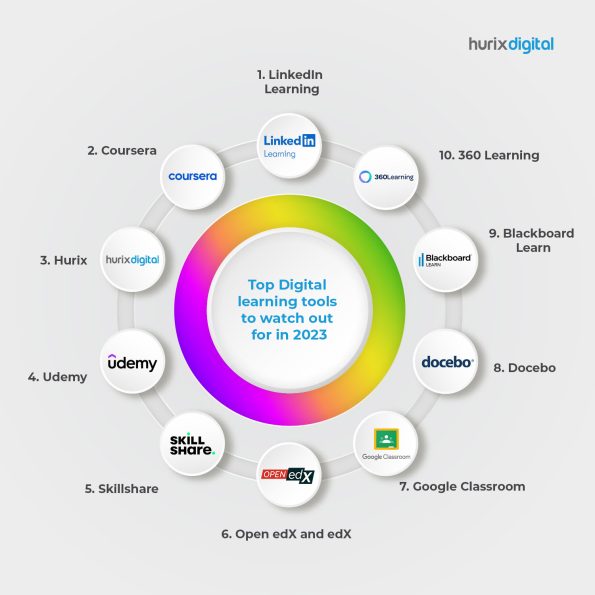
The proliferation of learning tools in recent years has profoundly influenced our understanding of reality. These tools, ranging from interactive apps to virtual reality (VR) environments, have transformed traditional educational methods and provided immersive experiences that challenge preconceived notions. By engaging learners in a dynamic way, these tools allow for a deeper exploration of concepts that were once limited to textbooks, enabling individuals to visualize and interact with information in ways that enhance retention and comprehension.
Moreover, learning tools foster collaborative environments where diverse perspectives can converge, leading to richer discussions and deeper insights. For instance, platforms that facilitate online learning communities help individuals to share their experiences and interpretations, broadening our collective understanding of reality. As we navigate this evolving landscape of education, it becomes clear that these tools are not just enhancing the learning experience but are fundamentally reshaping how we perceive and understand the world around us.
Virtual Realities: How Learning Technologies Are Blurring the Lines Between Real and Imagined
In today's rapidly evolving technological landscape, virtual realities represent a significant leap in the realm of learning technologies. By immersing learners in rich, interactive environments, these technologies not only enhance the education experience but also blur the boundaries between the real and the imagined. This transformative approach offers various benefits, including:
- Increased engagement through gamified learning experiences
- Real-time feedback and adaptability based on user interaction
- The ability to simulate complex scenarios for practical training
As we delve deeper into the implications of virtual realities on education, it becomes clear that these innovations are reshaping how knowledge is consumed and understood. For instance, students can explore ancient civilizations or distant planets without ever leaving their classroom, providing a sense of presence that traditional methods simply cannot achieve. This merging of reality and imagination not only revolutionizes learning but also cultivates a more profound emotional connection to the material, ultimately fostering a generation of more informed and engaged individuals.