Understanding the Importance of Ergonomics: How to Optimize Your Workspace
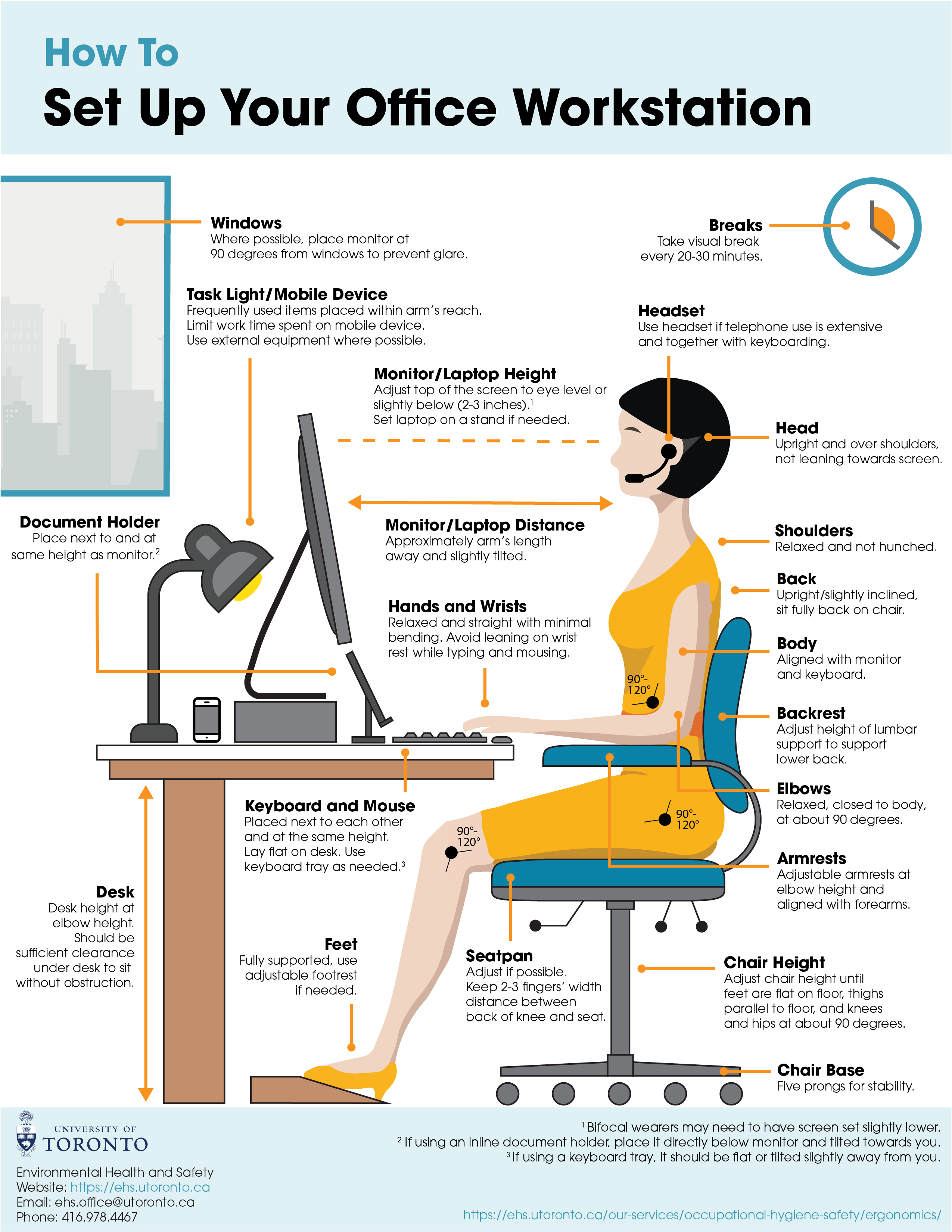
Understanding the importance of ergonomics in the workplace is crucial for enhancing productivity and maintaining employee well-being. Poorly designed workspaces can lead to a myriad of health issues, including repetitive strain injuries, chronic pain, and decreased concentration. To optimize your workspace, consider implementing an ergonomic assessment that evaluates the layout of your desk, chair, and computer setup. Simple adjustments such as ensuring your monitor is at eye level, using a chair that supports your lower back, and keeping your feet flat on the floor can make a significant difference in your comfort and efficiency.
Moreover, incorporating ergonomic practices doesn't just improve physical health; it can also boost morale and work satisfaction. Create a list of key elements to evaluate in your workspace:
- Chair height and lumbar support
- Desk arrangement
- Keyboard and mouse placement
- Lighting conditions
Counter-Strike is a popular first-person shooter (FPS) game that has captivated millions of players around the world. It emphasizes teamwork and strategy, requiring players to work together to complete objectives. Whether you are playing as terrorists or counter-terrorists, the excitement of each round keeps players engaged. For those looking to enhance their gaming experience, check out the Top 10 Laptop Stands for Couch to ensure comfort during long gaming sessions.
Top 5 Ergonomic Furniture Choices for a Healthier Work Environment
Creating a healthier work environment starts with ergonomic furniture that supports your body and promotes better posture. Here are the top 5 ergonomic furniture choices you should consider:
- Ergonomic Office Chair: A supportive chair with adjustable height, lumbar support, and armrests can significantly reduce back pain and improve comfort during long work hours.
- Height-Adjustable Desk: Standing desks or sit-stand desks allow you to switch between sitting and standing, promoting better circulation and reducing the risk of sedentary-related health issues.
- Ergonomic Keyboard: An ergonomic keyboard can help maintain a neutral wrist position, which can prevent strain and discomfort during typing.
- Monitor Stand: Elevating your monitor to eye level can help prevent neck and eye strain, contributing to a more comfortable workspace.
- Footrest: A footrest can help improve posture by allowing your feet to rest comfortably and support your lower back.
Is Your Workspace Hurting You? Signs You Need an Ergonomic Redesign
The significance of a well-designed workspace cannot be overstated, especially in today’s digital age where many of us spend hours at our desks. If you often experience discomfort, persistent pain, or fatigue while working, it might be time to evaluate your setup. Here are some key signs that indicate you may need an ergonomic redesign of your workspace:
- Regular headaches or neck pain
- Frequent back pain, especially in the lower region
- Reduced focus and productivity due to discomfort
Improving your workspace ergonomically isn’t just about comfort; it can significantly enhance your overall productivity and well-being. Consider implementing these changes if you notice any of these symptoms: invest in a good quality chair that offers proper support, adjust your computer screen to eye level to reduce strain, and take regular breaks to stretch. Prioritizing an ergonomic redesign could mean the difference between enduring discomfort and achieving peak performance.